4-Day Training on the International Quality Management Standard ISO 9001:2015 was Held at Sakpatenti
February 23, 2026
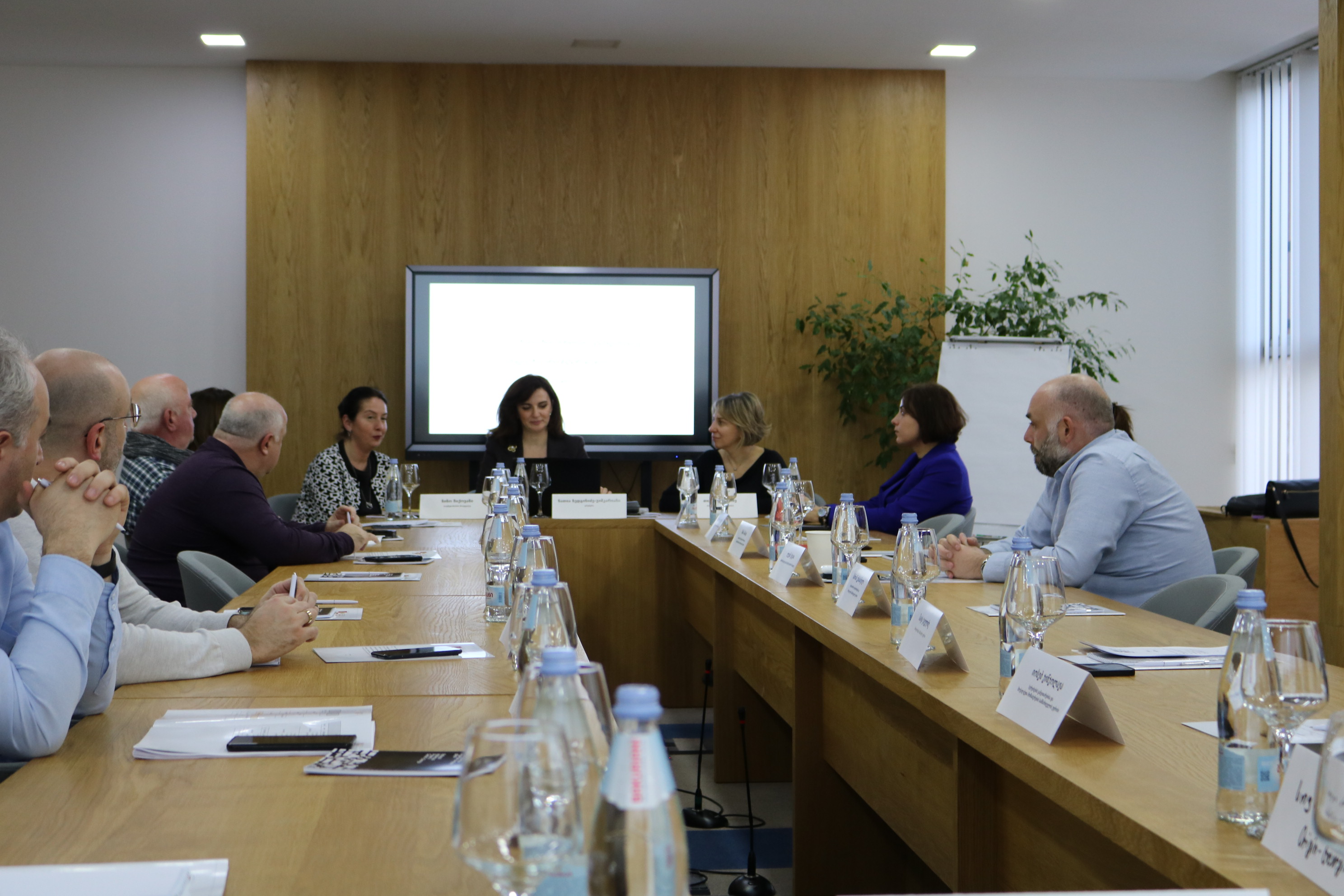
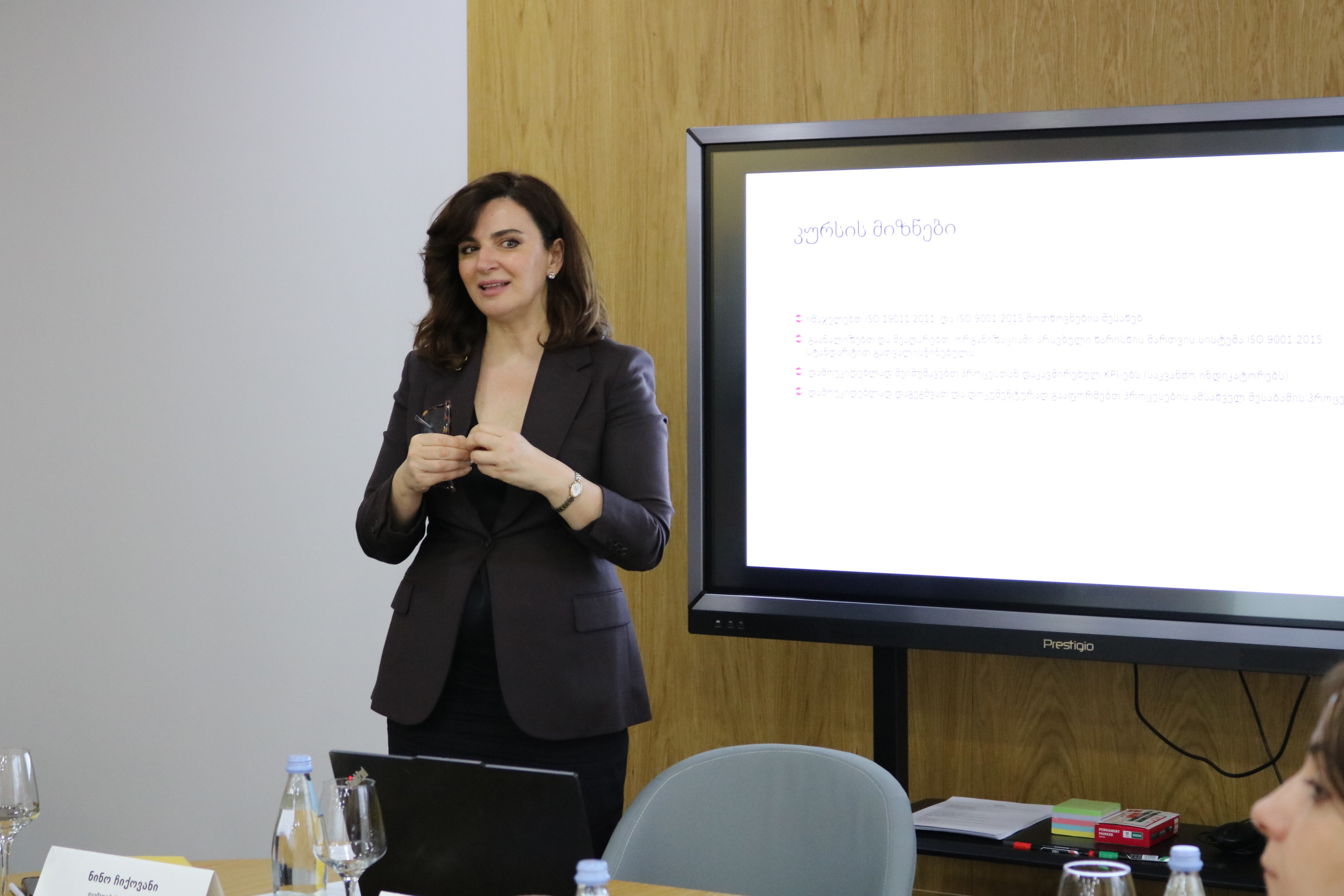
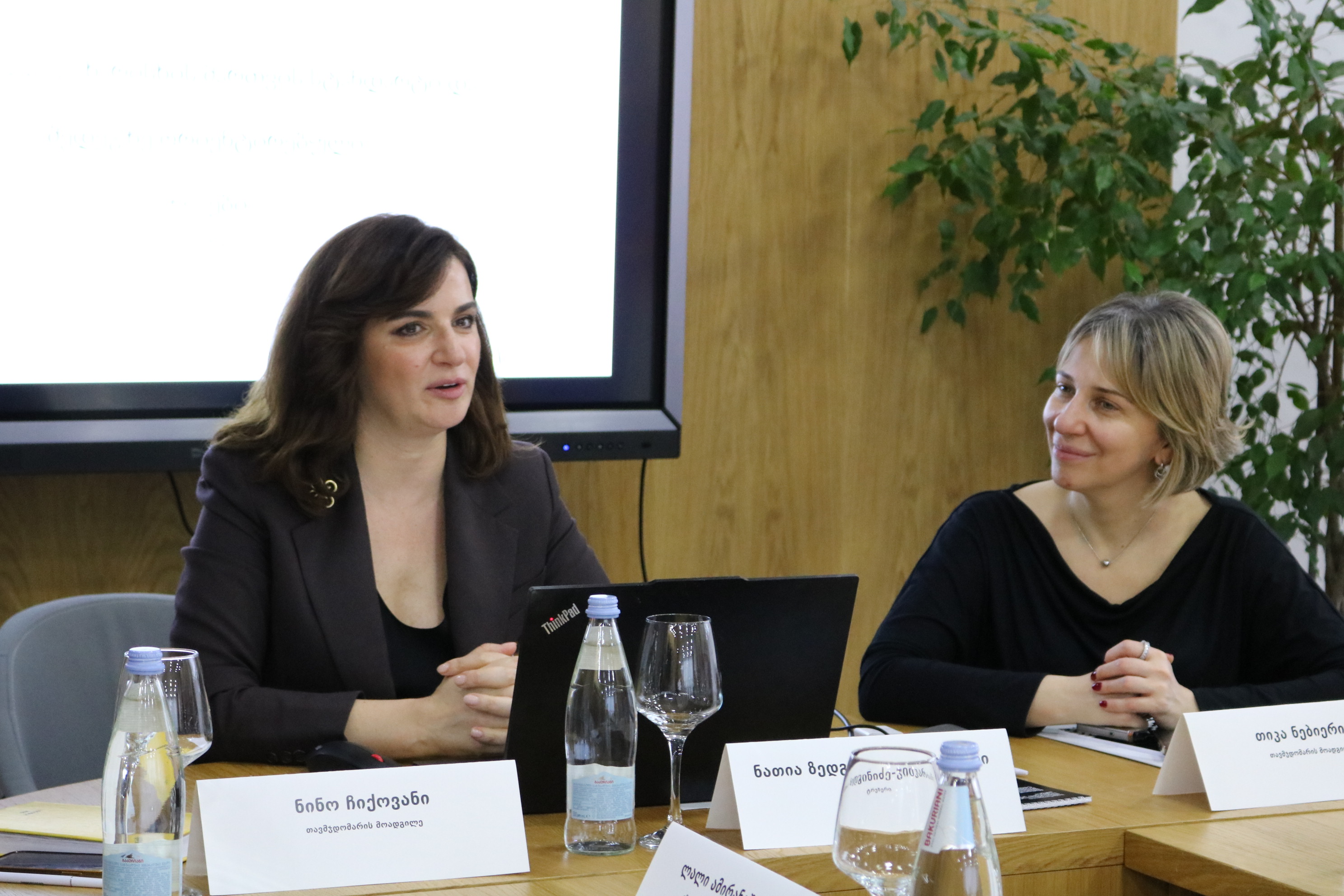
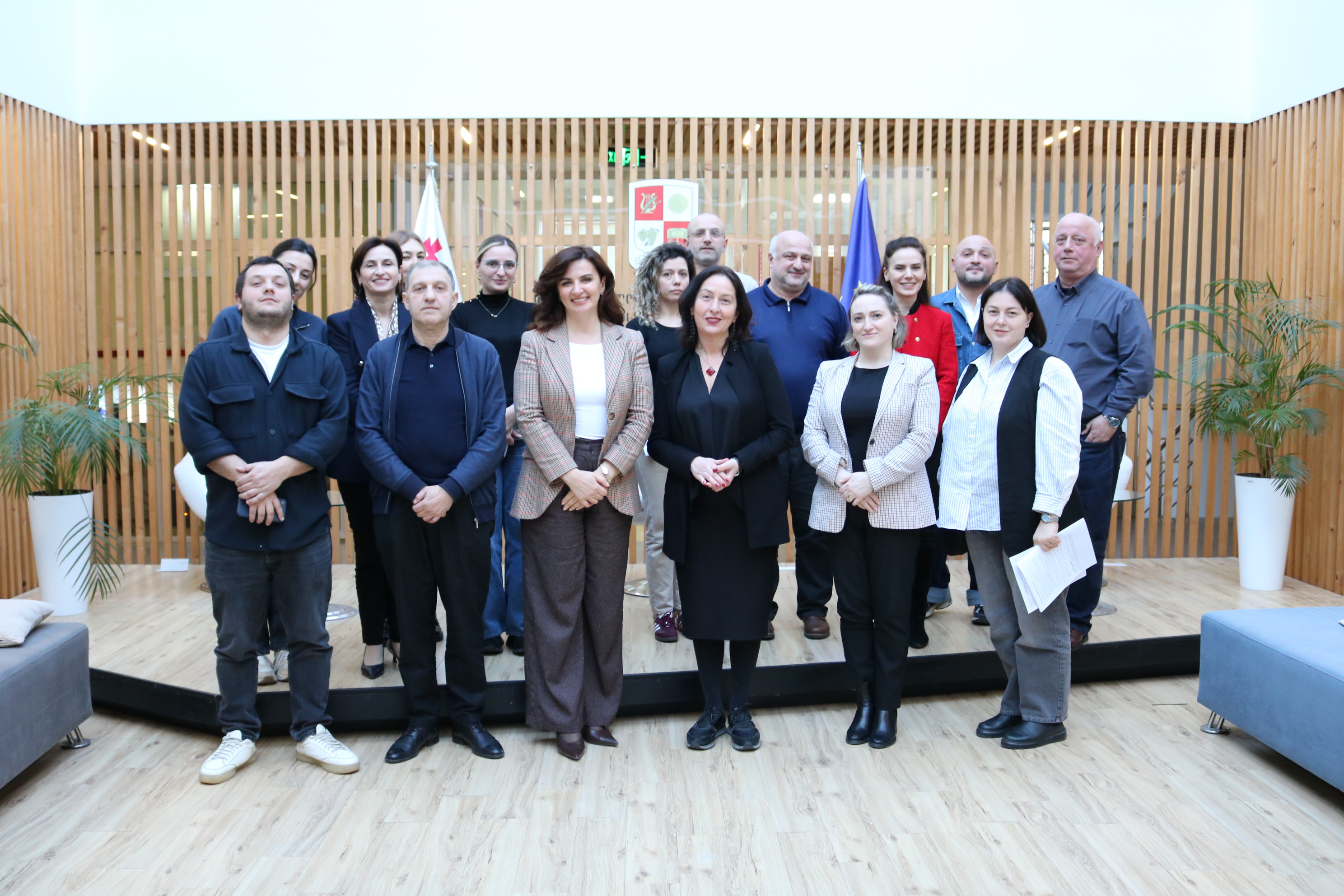
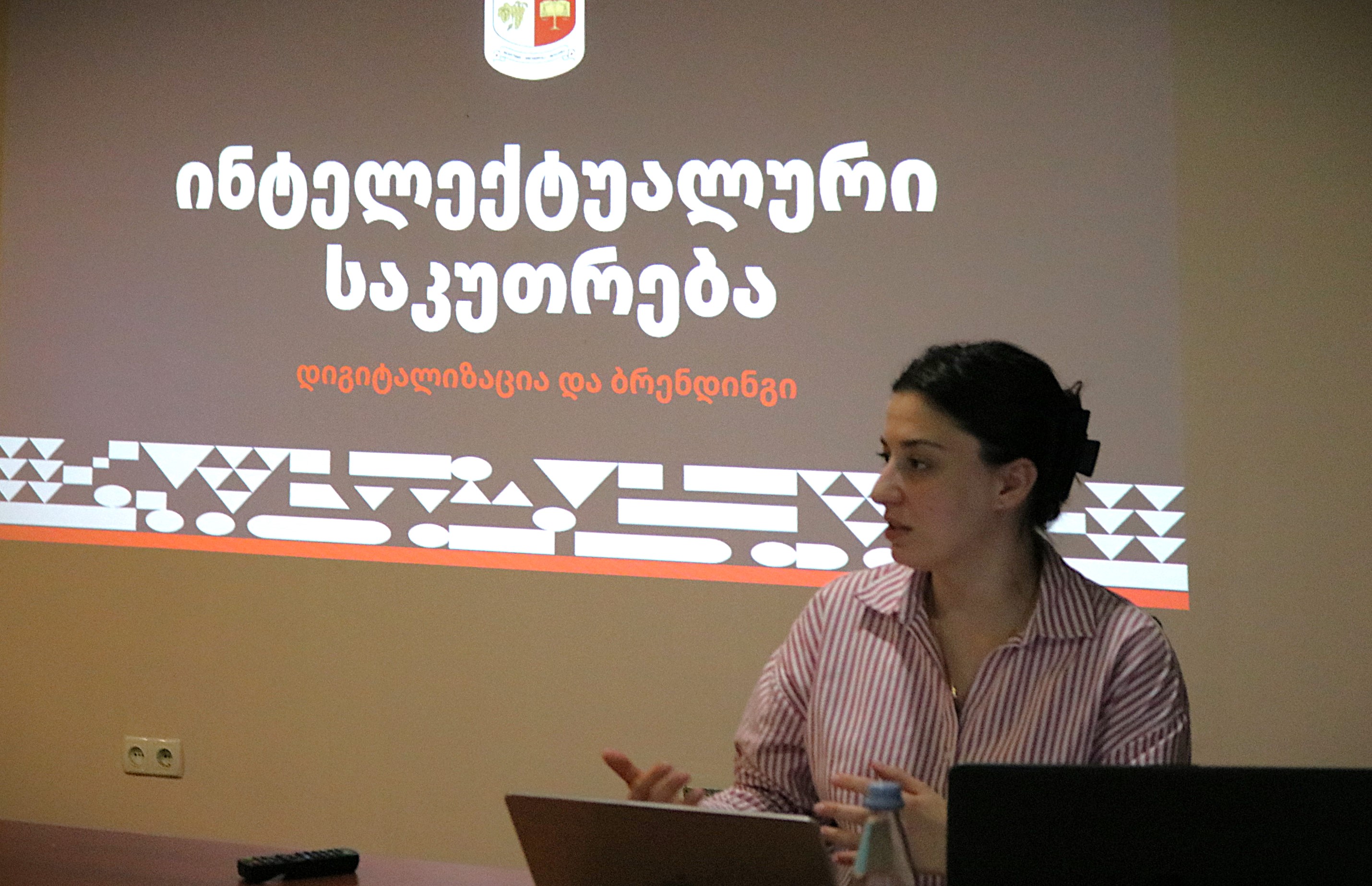
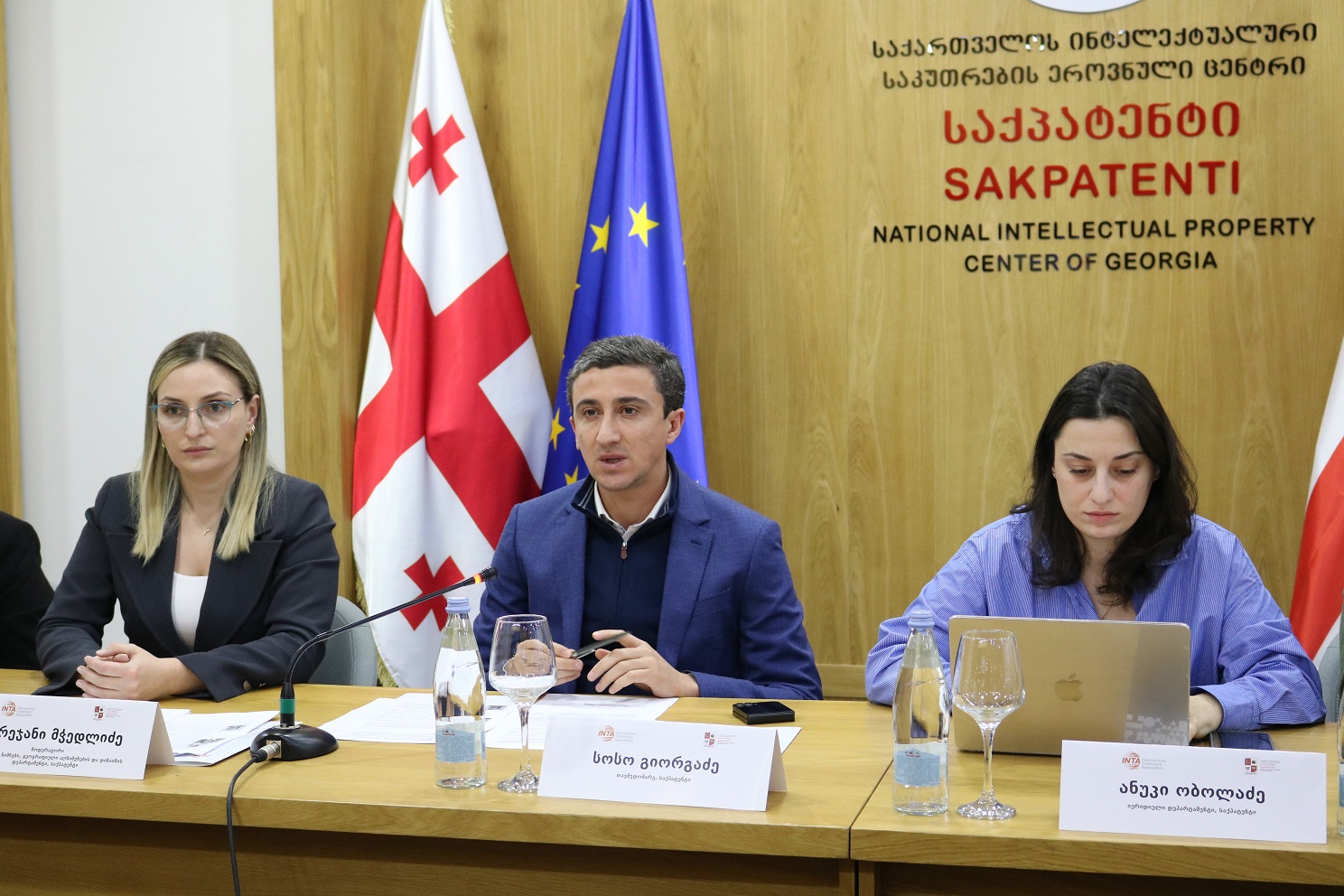
A four-day training on “ISO 9001:2015 Quality Management Standard and Definition of Key Performance Indicators (KPIs)” was held at the Mtskheta head office of the National Intellectual Property Center of Georgia – “Sakpatenti” for its staff members.
The training was attended by members of Sakpatenti Quality Management System Coordination Committee and heads of structural units. The sessions were led by an invited trainer, Doctor of Economic Sciences, Professor Natia Zedginidze-Jishkariani.
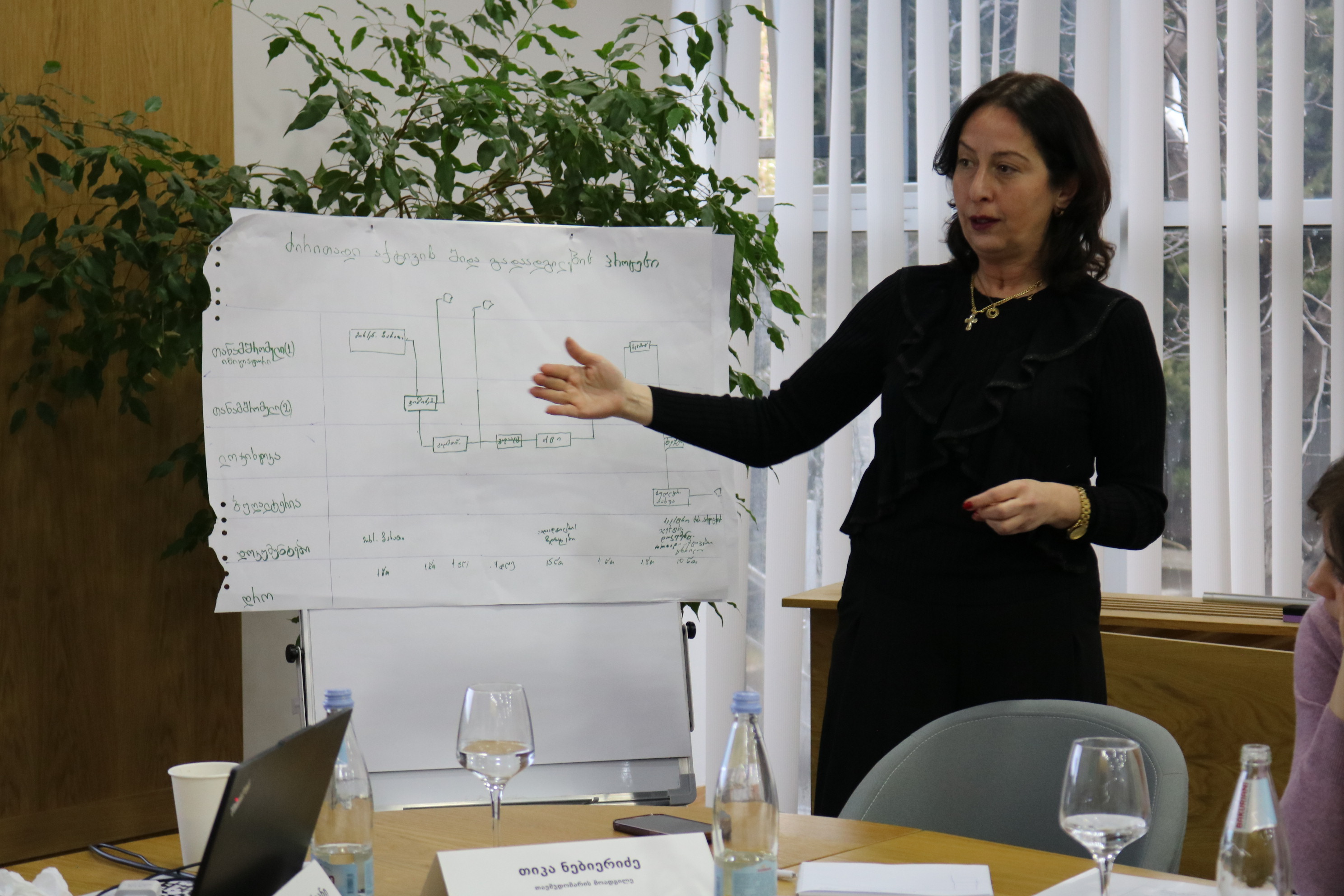
Within the framework of the program, participants discussed, using the example of Sakpatenti’s Quality Management System, the main principles and process approach of the international ISO 9001:2015 standard, including the so-called PDCA cycle – a model focused on continuous improvement of management. Particular attention was paid to the methodology and best practices for defining Key Performance Indicators (KPIs), as well as analyzing their alignment with the objectives of Quality Management System. The training was conducted in an interactive format, incorporating practical exercises and discussions.
The training aimed to increase the effectiveness of the Quality Management System, strengthen a result-oriented management culture, and improve institutional processes. The knowledge gained will contribute to the further development of the Quality Management System and the maintenance of high standards at Sakpatenti.
It is noteworthy that the ISO 9001:2015 quality management standard has been implemented at Sakpatenti since 2021, while systematic work on its introduction began in December 2020 within the framework of the “European Union–Georgia Intellectual Property Project” (EUGIPP). In 2024, the Office successfully passed a certification audit for the international standard ISO 9001:2015 and received the highest evaluation, which is one more significant confirmation of the effectiveness of the organization processes and quality-oriented management.
Along with this, a Quality Management System is not a one-time introduced mechanism; it requires continuous updating and development in line with modern requirements and challenges. For this purpose, the organization systematically strives for development of the knowledge and competencies of its staff, which is directly reflected in the improvement of the management quality, the effectiveness of processes and strengthening of institutional sustainability. Exactly the continuous development of the staff members forms the foundation for maintaining high standards and constant improvement of the Quality Management System.